The Quiet Wealth Playbook: How People Really Build Financial Stability (Without Flashy Moves)
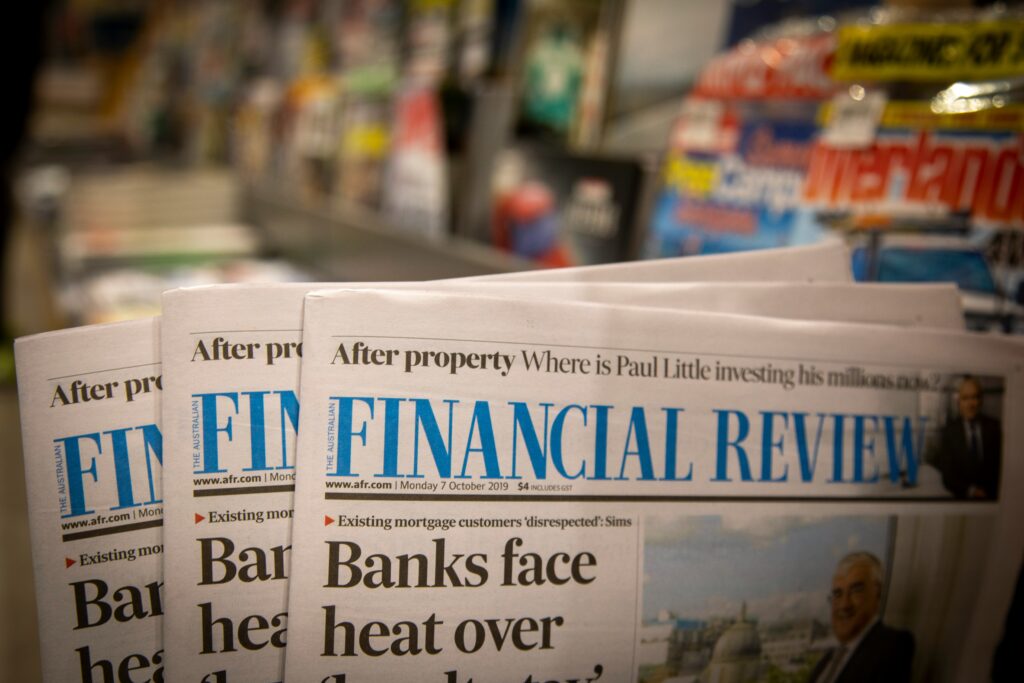
A deeper, smarter approach to money—built on timeless principles and modern tools
If you study how people actually build wealth over time, one thing becomes clear:
it rarely comes from one big decision.
It comes from small, repeatable habits—done consistently, quietly, and often unnoticed.
This idea shows up again and again in books like The Psychology of Money, The Simple Path to Wealth, and I Will Teach You to Be Rich.
And yet, most people are still stuck chasing shortcuts.
This guide is different.
It’s designed to help you build real financial stability—the kind that works in the background of your life.
📥 Download the Quiet Wealth Starter Kit
Get the full system in one place:
- Weekly wealth habits checklist
- Spending reset framework
- Savings automation blueprint
- Financial audit worksheet
👉 Download instantly: [Insert Download Link]
1. Behavior Is the Foundation of Wealth (Not Intelligence)
One of the most important ideas from The Psychology of Money is that financial success is more about behavior than knowledge.
You don’t need to:
- Predict markets
- Master complex strategies
- Constantly optimize every decision
Instead, what matters most is:
- Consistency
- Emotional control
- Long-term thinking
What This Looks Like Practically
Most financially stable people:
- Spend slightly less than they earn (consistently)
- Avoid emotional spending spikes
- Stick to simple systems for years
They don’t constantly restart. They stay the course.
Tools That Reinforce Good Behavior
- YNAB – Forces intentional decisions with every dollar
- Mint – Keeps your entire financial picture visible in one place
These tools aren’t magic—but they reduce decision fatigue, which is where most people fail.

Wealth is built through steady behavior, not constant optimization.
A key concept echoed in Rich Dad Poor Dad is understanding cash flow—not just saving.
Most people focus only on:
- “How much did I save?”
But they ignore:
- Where money is leaking
- How expenses are structured
- Whether their lifestyle is scalable
The Better Question
Instead of asking:
“How can I save more?”
Ask:
“How does my money move every month?”
Build a Simple Money Flow System
Break your income into 3 core streams:
- Essentials (rent, bills, groceries)
- Lifestyle (flexible spending)
- Future (savings + investing)
Keep it simple. Complexity kills consistency.
Tools That Make This Easy
- PocketGuard – Shows exactly what’s safe to spend
- Rocket Money – Tracks recurring expenses and subscriptions
📩 Weekly Wealth Habits (Straight to Your Inbox)
Join and get:
- Weekly insights from top finance books
- Tools that simplify saving and spending
- Exclusive templates and checklists
👉 Enter your email:
3. Automation Is the Shortcut Most People Ignore
In Atomic Habits, the idea is simple:
You don’t rise to the level of your goals—you fall to the level of your systems.
This applies perfectly to money.
If saving depends on remembering, thinking, or deciding—it will fail eventually.
What to Automate Immediately
- Savings transfers on payday
- Emergency fund contributions
- Investment deposits
Why This Works
- Removes emotion from decisions
- Builds consistency without effort
- Creates progress even during busy or stressful periods
Best Tools for Automation
4. Build “Peace of Mind Money” First
Another powerful idea from The Psychology of Money is that money isn’t just for spending—it’s for peace of mind.
That’s what your emergency fund is.
Target:
- 3–6 months of essential expenses
What it gives you:
- Freedom from panic decisions
- Confidence in uncertainty
- Flexibility in life
This isn’t about returns—it’s about stability.
5. Cut What Doesn’t Matter (Keep What Does)
From I Will Teach You to Be Rich:
Spend extravagantly on what you love, cut costs on what you don’t.
This flips traditional budgeting.
Instead of cutting everything:
- Eliminate things you don’t care about
- Keep (or even upgrade) what you truly value
How to do this:
- Review subscriptions
- Identify “low-value” spending
- Redirect money toward priorities
Tools to help:
6. Let Time Do the Heavy Lifting
You don’t need complex strategies to grow money.
You need:
- Time
- Consistency
- Simplicity
Books like The Simple Path to Wealth emphasize long-term thinking over short-term wins.
Simple approach:
- Invest consistently
- Avoid overtrading
- Stay patient
Platforms to start:
📥 Free Resource: Quiet Wealth Blueprint
Download the full system:
- Weekly wealth habits
- Money flow tracker
- Savings automation plan
- Spending reset checklist
👉 Download here: [Insert Download Link]
Final Thought: Wealth Is Quiet
The biggest financial wins rarely look flashy.
They look like:
- Consistent saving
- Calm decision-making
- Long-term thinking
Start building quiet wealth today. Download the playbook and take control step by step.